Smoke & Carbon Monoxide Detector Installation in Adams County, CO
Protect your family and meet local building codes with hardwired, interconnected safety alarms.
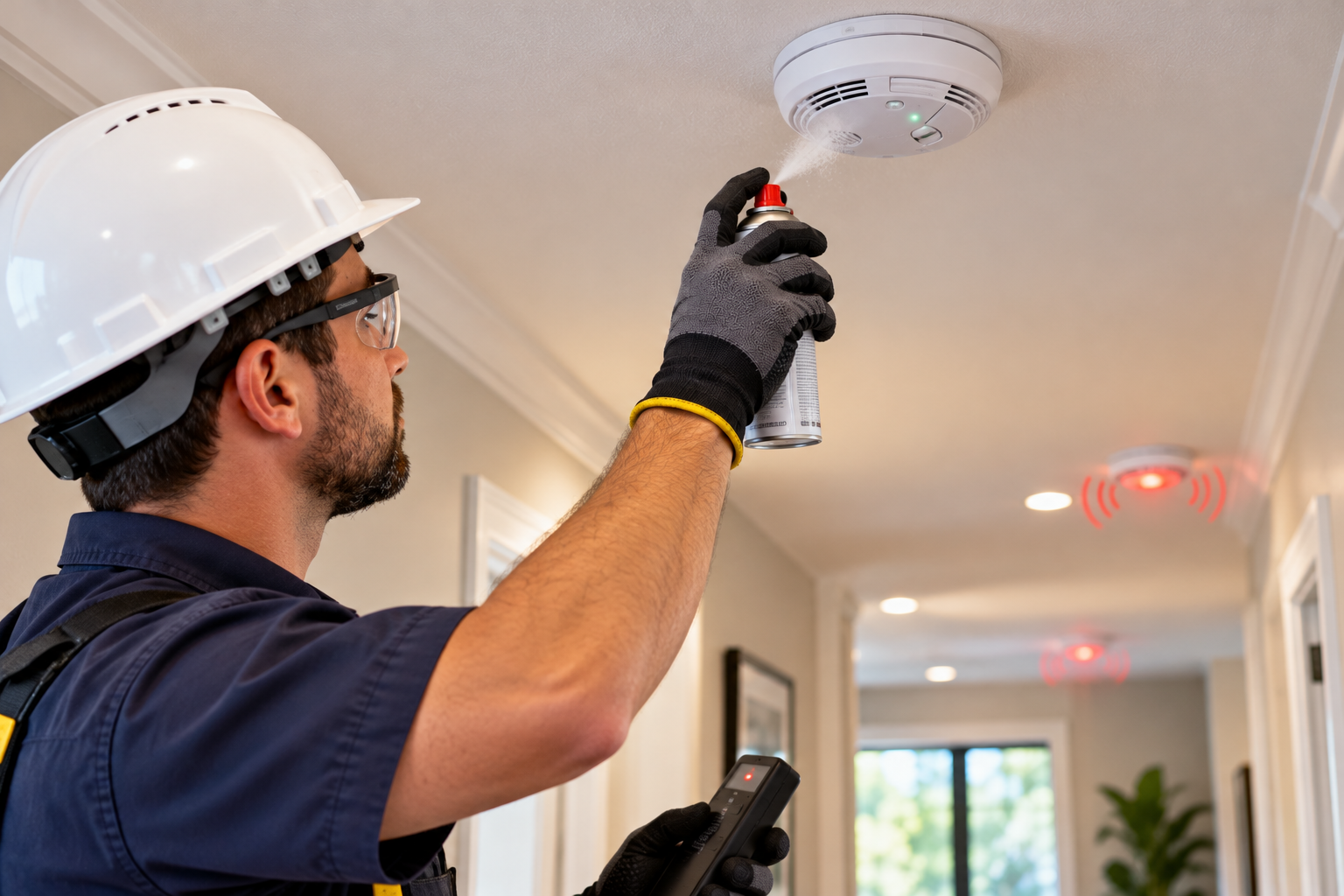
Comprehensive Fire & Life Safety System Installations
Functional smoke and carbon monoxide (CO) detectors are your home's most vital early warning system against fast-spreading fires and odorless gas leaks. Standard battery-operated detectors can fail when batteries die or sensor units reach their expiration limits. Electrical Essentials installs, replaces, and repairs 120V hardwired, interconnected smoke and CO detector networks throughout Adams County. When one alarm triggers in an interconnected system, every alarm throughout your house sounds simultaneously, giving your family maximum time to evacuate safely.
Our Smoke & Carbon Monoxide Detector Services
How We Can Help
Hardwired Interconnected Detector System Wiring
Run 3-conductor electrical wire between all bedrooms, hallways, and living areas so every alarm communicates instantly across the home.
Dual-Sensor Combination Smoke & CO Alarm Upgrades
Upgrade outdated single-function units to modern photoelectric fire sensors and electrochemical CO detectors with 10-year sealed battery back-ups.
Rental Property & Real Estate Code Inspection Compliance
Inspect, replace, and re-certify smoke and CO alarm counts and locations to satisfy Colorado real estate transfer requirements and landlord safety laws.
Why Homeowners Trust Electrical Essentials for Fire Safety
Secure Mounting, Smooth Operation, and Code Compliance
Master Electrician Supervision
Licensed & Insured Contractor
City & County Permit Handling
Upfront Flat-Rate Estimates
Flexible Wisetack Financing
100% Code-Compliant Work
Clean Job-Site Cleanup
Common Signs
Your Smoke & Carbon Monoxide Detectors Need Immediate Replacement
Your detectors chirp or beep intermittently, even after installing fresh replacement batteries.
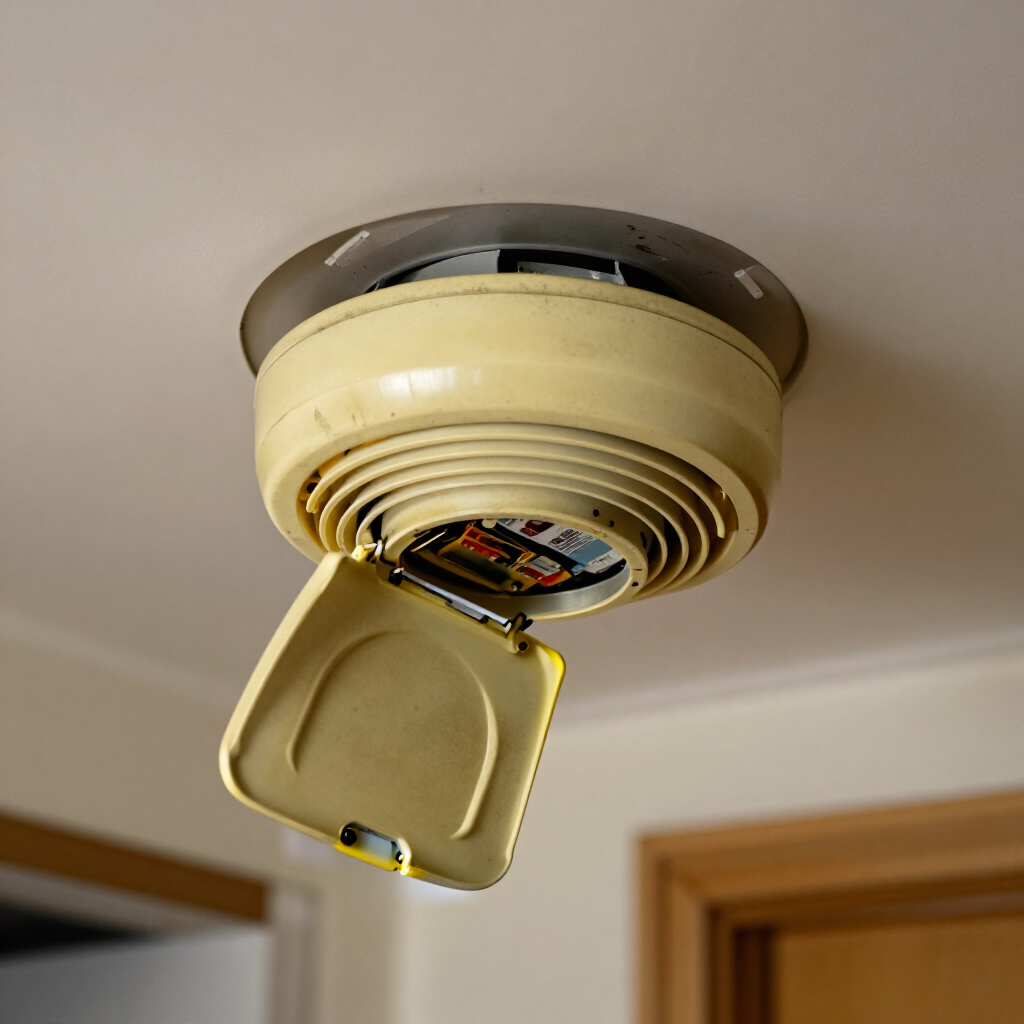
The plastic housing on your alarm units has turned yellow or discolored from age and internal heat.
Your existing alarms are more than 10 years old (or more than 5–7 years old for stand-alone CO sensors).
Detectors fail to sound or produce faint tones when pressing the physical "TEST" button.
You are renovating or adding bedrooms and must meet current Adams County building codes.
Alarms trip randomly when no smoke, cooking vapor, or gas combustion is present in the home.
Critical Safety Alert
Why Smoke Detector Expiration Dates Matter
Most homeowners don't realize that smoke and carbon monoxide detectors have a strict 10-year operational lifespan. Over time, internal sensing chambers degrade from dust accumulation, insect intrusion, and electronic component decay, reducing their ability to detect smoldering fires or trace gas leaks. If your detectors were installed over a decade ago, they offer false security and require prompt replacement to keep your home protected.
SERVICE AREAS
Commerce City, CO
Brighton, CO
Thornton, CO
Northglenn, CO
Westminster, CO
Lakewood, CO
Denver, CO
Aurora, CO
Fort Collins, CO
Adams County, CO
Boulder County, CO
Weld County, CO
Smoke & Carbon Monoxide Detector FAQs
Where should smoke and carbon monoxide detectors be placed in my home?
National codes require smoke detectors inside every bedroom, outside every sleeping area, and on every level of the home (including basements). Carbon monoxide detectors must be placed within 15 feet of every bedroom door.
What is the benefit of hardwired detectors over battery-only models?
Hardwired detectors run on your home's 120V electrical power with battery back-ups during blackouts, eliminating the risk of unpowered detectors when batteries fail. They also allow total system interconnection.
How often should smoke and carbon monoxide alarms be replaced?
Combination smoke and carbon monoxide units must be completely replaced every 10 years from their manufacture date listed on the back of the unit.
Why is my hardwired smoke detector chirping every minute?
Chirping usually indicates a low backup battery, an expired sensor, a loose wiring harness connection, or a power interruption on that specific circuit breaker.
Are carbon monoxide detectors required by law in Colorado?
Yes, the Colorado House Bill 1091 (Heart of the Home Act) mandates functional carbon monoxide alarms in all residential properties offered for sale or rent near fuel-burning appliances or attached garages.
How long does it take to install a complete hardwired smoke detector system?
Replacing existing hardwired units takes 1 to 2 hours for an entire home, while running new interconnect wiring for a system upgrade takes 3 to 5 hours depending on attic access.